Best Natural Probiotic Relief for IBS
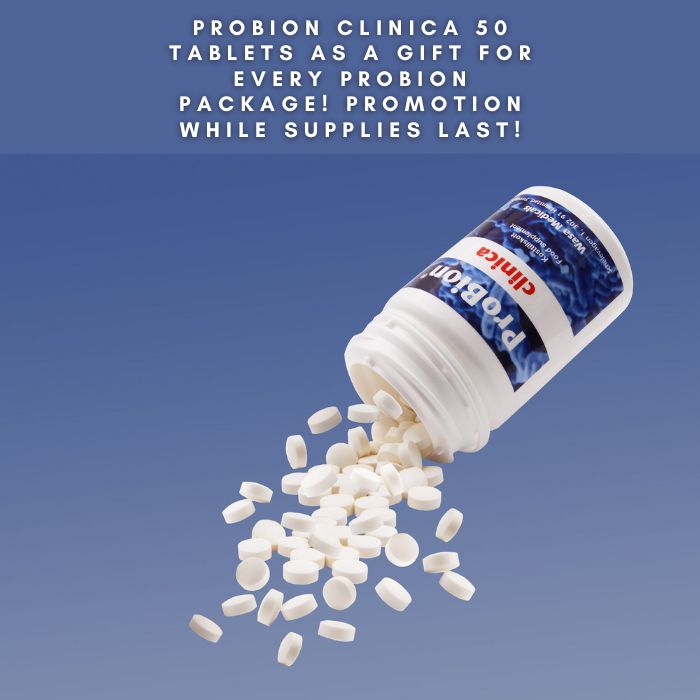
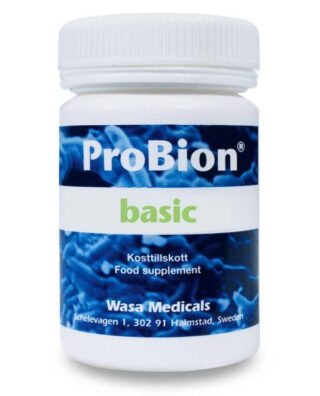
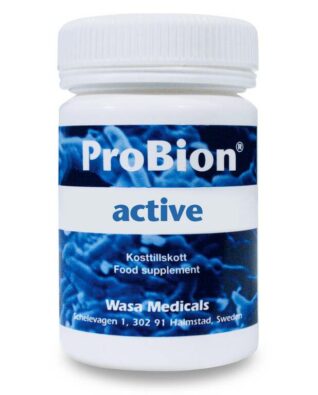
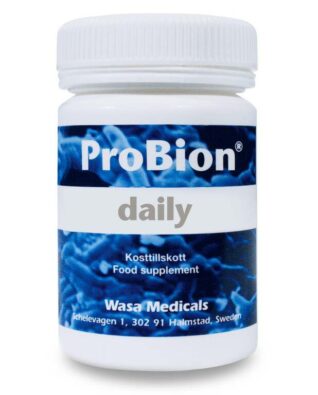
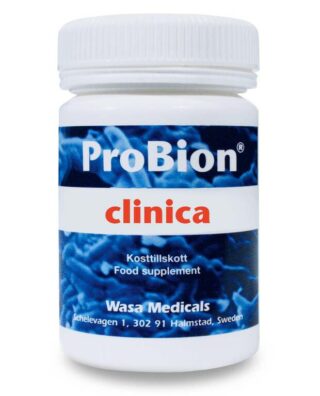
People with IBS (Irritable Bowel Syndrome) are often advised by their therapists to use ProBion probiotics as a best, natural relief for symptoms of
» Constipation
» Diarrhea
» Abdominal Pain
» Stomach Camps
» Bloating
» Flatulence
Irritable Bowel Syndrome and Probiotics
Your gastrointestinal tract is swarming with beneficial bacteria referred to as gut microflora that play a vital role in maintaining your health. But, due to many reasons this gut microflora may get out of balance and allow the proliferation of harmful bacteria-a condition referred to as intestinal dysbiosis.
Probiotics are the live strain of bacteria found in supplements and foods. They are similar to naturally occurring gut microflora and provide many health benefits by improving the intestinal microflora. Some probiotic foods are sauerkraut, yogurt, kimchi, tempeh and other foods that are fermented. Furthermore, probiotic strains of bacteria present in supplements are Bifidobacterium and Lactobacillus.
A lot of research is done recently to investigate how probiotics can be used in the treatment and management of irritable bowel syndrome.
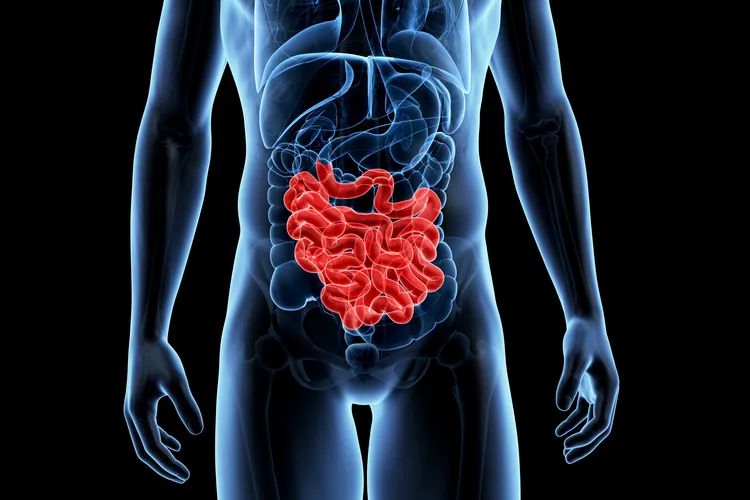
Symptoms of IBS are also linked to changes in the microflora of the gut. For instance, people suffering from IBS have reduced amounts of Bifidobacterium and Lactobacillus in their digestive tracts and greater amounts of harmful bacteria Clostridium, Streptococcus, and E. coli. Furthermore, bacterial overgrowth occurs in the small intestines of up to 84 percent of people with IBS and that can cause many of their signs and symptoms. Also, some medicines, which are used in the treatment of IBS, may also damage the gut microflora.
Changes in the microflora of the gut can cause symptoms of IBS by increasing the sensitivity of the intestine to gas, increasing inflammation, changing motility of the gut and decreasing immune function.
It is proposed that probiotics improve symptoms of IBS by:
- Hindering the growth of harmful bacteria
- Boosting the barrier functions of the immune system
- Helping control inflammation
- Slowing down the passage of food in the gut
- Reducing the production of gas by balancing the microflora of the gut
- Reducing the sensitivity of the gut
- Reducing permeability of the intestines (leaky gut)
One of the greatest challenges for scientists and researchers is to find which strains of bacteria are most effective in relieving symptoms of IBS. According to research, the below-mentioned strains have been found effective:
- Bifidobacterium strains, (including B. bifidum, B. longum, and B. infantis)
- Lactobacillus strains, (including L. Plantarum and L. acidophilus)
The British Dietetic Association states that you should take a probiotic supplement to treat your symptoms of IBS initially for four weeks and see if you have any effect on the symptoms. If there is no effect, they advise that you should try a different probiotic product that has different strain/strains of live bacteria
Probiotics & Constipation
See also: How Much Toxic Poop Waste is in Your Body Colon?
» How to get rid of constipation and indigestion?
You can get rid of constipation and indigestion by following the below-mentioned steps:
- Eat foods rich in fiber.
- Drink lots of fluids, especially water.
- Avoid eating foods that can cause the production of gas such as caffeine, alcohol and carbonated beverages, raw fruits and some vegetables including cabbage, cauliflower, and broccoli.
Additionally, on the basis of your signs and symptoms, the healthcare provider may suggest the following medicines to relieve constipation:
- Fiber supplements: You can get relief from constipation by taking a fiber supplement including psyllium (Metamucil) along with fluids.
- Laxatives: If you don’t get relief by taking fiber supplements, your healthcare provider may prescribe a laxative such as Miralax (polyethylene glycol) or Phillips’ Milk of Magnesia (oral magnesium hydroxide).
- Selective serotonin reuptake inhibitor (SSRI) antidepressants: SSRIs such as paroxetine (Paxil) or fluoxetine (Sarafem, Prozac) may help relieve symptoms of depression along with constipation and abdominal pain.
» How to avoid constipation?
Make the following simple lifestyle and dietary changes to avoid constipation:
- Increase the amount of fiber in your diet: Although fiber helps in reducing constipation it can also aggravate cramping and gas. To avoid these symptoms, you should increase your dietary fiber slowly over the duration of a few weeks. You can include foods that are rich in fiber such as fruits, vegetables, and beans in your diet. Taking fiber supplements may cause less bloating and gas than eating foods rich in fiber.
- Avoid skipping meals: Eating at similar times every day helps in regulating the bowel function. Hence, try eating at a regular time. If you are suffering from constipation related to IBS, you may find that eating large quantities of foods rich in fiber helps in moving food through the intestines. This ultimately helps you to avoid constipation.
- Exercise regularly: Doing gentle exercises regularly helps in relieving stress and depression, stimulating the normal contractions and movements of the intestines, and making you feel and think better and positive about yourself. Consult your healthcare provider about exercises that you can do regularly.
- Don’t hold in stools: You should respond to the natural urge of your body to defecate when they occur as this reduces the effect of constipation.
Maintain a routine: Assign a time and place of the day when you can go to the bathroom every day without passing stool forcefully.
» What are some home remedies for constipation?
Some of the home remedies for constipation are as follows:
- Drink lots of water. A deficiency of water in the body can worsen constipation; hence, you should drink sufficient amount of water to stay hydrated. According to some studies, sparkling water is more effective in comparison to tap water in relieving constipation in people with IBS.
- Consume more fiber, particularly soluble fiber that can’t be fermented. Such fiber is present in barley, oat bran, seeds, nuts, lentils, peas, and beans and certain vegetables and fruits.
- You can take Senna that is an herbal laxative to relieve your symptoms of constipation.
- Take probiotic supplements or consume probiotic foods. Some examples of probiotic foods are kimchi, sauerkraut, and yogurt.
- Try eating a diet with a low-FODMAP. The full form of FODMAP is fermentable oligosaccharides, disaccharides, monosaccharides, and polyols. In this diet, you have to limit foods with a high-FODMAP for some duration and then reintroduce them to your diet to find out which of the foods you are able to tolerate.
- Eat foods containing prebiotic fibers as they can help in improving the balance of the gut microflora and also your overall digestive health; thereby, relieving constipation. Some of such foods are bananas, onions, and garlic.
- You may try and avoid dairy as it may cause constipation in some cases.
» Does constipation occur in your stomach or your intestines?
Constipation occurs in the intestines as the stool becomes dry and hard when your large intestine (colon) absorbs an excessive amount of water from it. If you suffer from constipation, the muscle movements of your colon are very slow, making the movement of stool through the colon also slow. Hence, it absorbs an excessive amount of water from the stool. Therefore, the stool becomes very dry and hard.
» What happens if you are constipated for a long time?
Some of the complications that can occur if you are constipated for a long time are:
- Rectal bleeding that can occur after straining continually to pass hard stool
- Anal fissure- it is a small tear that forms around your anus
- Hemorrhoids-they are inflamed and swollen blood vessels in your rectum
- Fecal impaction- it is a condition in which there is a collection of dried and hard stools in the rectum and anus resulting in an obstruction
» Can you get rid of chronic constipation?
Yes, you can get rid of chronic constipation by following the below-mentioned lifestyle changes:
- Get regular in going to the toilet. Go every morning preferably at a similar time.
- Never ignore the natural urge to pass stools.
- Follow relaxation techniques on a daily basis as stress may disrupt the normal movement of your bowels.
- Drink lots of fluids. You should drink a minimum of eight glasses of water (fluids) every day. You should increase the intake of fluids while exercising and in hot weather.
- Include dietary fiber and fiber supplements along with lots of water to relieve chronic constipation.
- You can talk to your healthcare provider about medicines and laxatives to relieve chronic constipation.
» Can constipation cause anxiety?
Yes, constipation can cause anxiety and stress. It can also disturb your sleep, affect your personal relations and sex life, and make you fatigued. You may skip your social activities due to constipation. Chronic constipation is linked to low serotonin levels-serotonin is a hormone, which helps in keeping your mood normal. Low levels of this hormone can result in anxiety and disturb your sleep. It may also affect the way in which food wastes move through the gut.
» Which antibiotics cause constipation?
Any antibiotic has a tendency to cause constipation. It does so in two possible ways. Initially it destroys the friendly gut microflora and secondly, it depletes the key minerals of the body that are required by your digestive system for proper functioning. Antibiotics can affect the ability of your body to absorb some vital minerals such as magnesium. Optimum magnesium levels are needed to ensure that there is proper movement of your gut and relaxation of the intestinal muscles allowing the food to pass through your gut.
» Why do iron supplements cause constipation?
Iron supplements cause constipation as the unabsorbed iron reaches your large intestine (colon) and becomes food for the pathogenic (bad) bacteria. It leads to bacterial imbalance or a condition called dysbiosis. Due to dysbiosis, the intestinal movement slows down leading to a longer retention of stools, more absorption of water from them, and constipation along with gas and bloating.
Buy ProBion for any digestive situation
Related posts