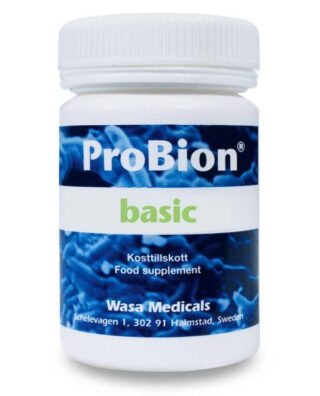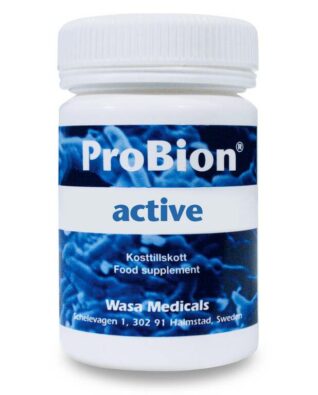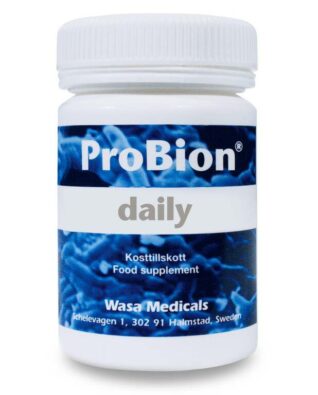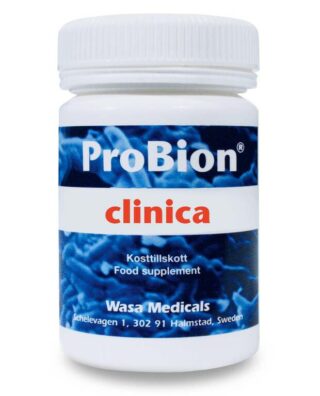
the best probiotics probion clinica probion daily probion active probion daily natural probiotics ibs digestion
An Overview of Inflammatory Bowel Disease (IBD)
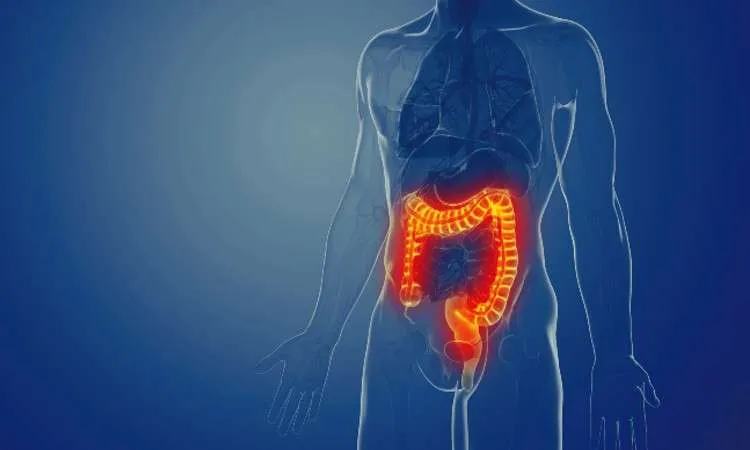
Inflammatory bowel disease is something that affects millions of people world wide. In fact, it is estimated that five million people suffer from this inflammatory condition all over the world. Inflammatory bowel disease is a chronic inflammatory condition that can greatly impact the overall quality of one’s life. However, with proper treatment, people who suffer from IBD may be able to get into remission and live a relatively normal life with a much better quality of life. Let’s take a closer look at exactly what inflammatory bowel disease is, some of the most common symptoms, how to be properly diagnosed, and what you can do if you do have IBD. What is Inflammatory Bowel Disease? Inflammatory bowel disease, also known as IBD for short, is a term used when talking about ulcerative colitis and Crohn’s disease. These are two chronic intestinal inflammatory conditions that are grouped under the umbrella term IBD since their symptoms are very similar. (1) Symptoms of Inflammatory Bowel Disease Here are some of the most common symptoms of these inflammatory conditions: (2,3)
- Weight loss
- Diarrhea
- Feeling a severe urgency to have a bowel movement
- Abdominal pain
- Abdominal cramps
- Rectal bleeding
- Skin irritations
- Fever
- Loss of appetite
- Iron deficiency anemia
See also: How Much Toxic Poop Waste is Trapped in Your Body Colon?
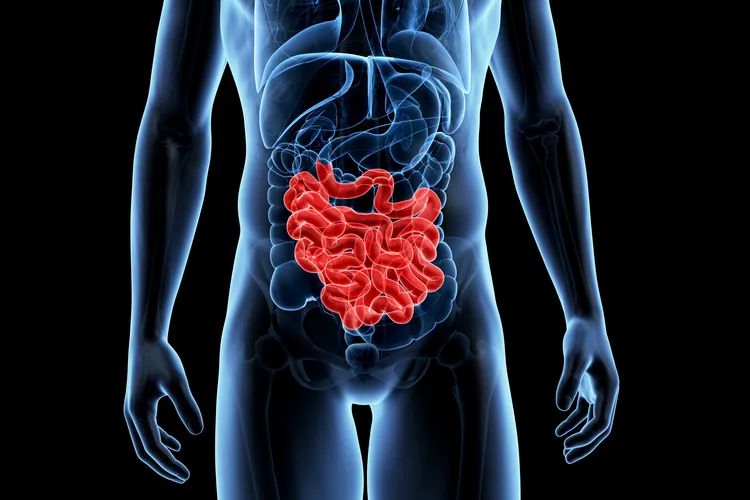
The Difference Between Crohn’s Disease and Ulcerative Colitis While Crohn’s disease and ulcerative colitis present with similar symptoms, it’s important to understand that these two inflammatory conditions affect the digestive tract a bit differently. Let’s take a look at the two and how they are different from one another. (4) Ulcerative Colitis: Ulcerative colitis is limited to the innermost lining of the colon and causes continuous inflammation. Crohn’s Disease: Crohn’s disease is not only limited to the colon like UC. With Crohn’s, it can affect any part of the digestive tract from the mouth to the anus. This inflammatory condition can affect all layers of the bowel walls. Another difference between ulcerative colitis and Chron’s disease is that with Crohn’s disease, someone may have some healthy areas of their intestine along with inflammation. In those with UC, all of the colon is inflamed. How to Know if You Have Inflammatory Bowel Disease If you have some of the symptoms commonly associated with inflammatory bowel disease, you will want to speak with your doctor who can run diagnostic testing. Some of the testing to get a proper IBD diagnosis includes: (5)
- Colonoscopy: A colonoscopy is considered to be the most definitive diagnostic test to determine if you have inflammatory bowel disease. This can be a great way to also determine if you are suffering from ulcerative colitis or Crohn’s. To diagnose one or the other, your doctor would take a biopsy and then look for granulomas, which are inflamed cells. These clusters of inflamed cells are present in those with Crohn’s disease, and not ulcerative colitis, so this would be the best way to determine which type of IBD you have.
- Barium Enema: This is an X-ray study that allows your doctor to look at the lower part of your GI tract. For this test, a safe dye called barium is placed in the colon via an enema in order to coat the large intestine. This will allow your doctor to look for inflammation and can be used as one of the diagnostic tools for inflammatory bowel disease.
- Flexible Sigmoidoscopy: This is a test that looks at the lower part of the colon, where your doctor can examine your colon’s tissue to look for signs of inflammation or ulcers. If either is present, this will help diagnose inflammatory bowel disease. Since this test only allows your doctor to look at the lower part of your colon, this may not diagnose any issues that may be going on higher up in the colon.
- Blood Tests: There are also some blood tests that can be done which are relatively new diagnostic tools for inflammatory bowel disease. The blood tests look for anemia, which is a common symptom of inflammatory bowel disease, or they can also check for certain infections. Keep in mind that these tests are only thought to be about 80% effective, so for a definitive diagnosis, one of the other testing options may be more appropriate. One of the other testing options may be even more important if your doctor is trying to determine which type of inflammatory bowel disease you have. (6)
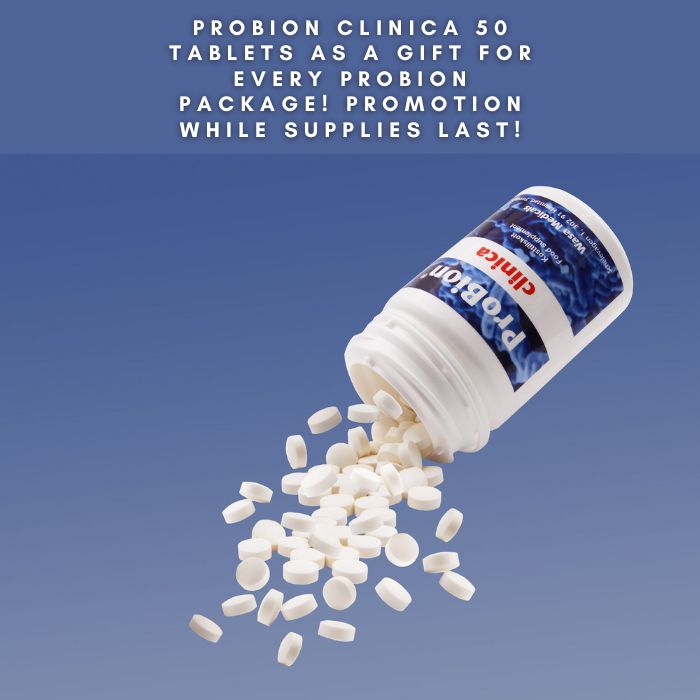
Inflammatory Bowel Disease Treatment While there is no cure for inflammatory bowel disease, there are various treatment options and remedies available to help improve overall quality of life while living with either ulcerative colitis or Crohn’s. The overall goal is to be able to get your IBD into remission so that you can live a healthy life without chronic inflammatory digestive pain. Here are some of the various treatment options and other dietary and lifestyle changes you can make if you have IBD. Probiotics: Probiotics are an ideal natural treatment option for IBD as having well-balanced gut bacteria is only going to help improve your digestion. When you have imbalanced gut bacteria, you run the risk of worsening your inflammatory bowel disease symptoms as harmful gut bacteria can very quickly take over the digestive tract. When this happens, symptoms of both Crohn’s disease, and ulcerative colitis can worsen. (7) To help support balanced gut flora and digestion, consider taking a high-quality probiotic like ProBion. ProBion probiotics contain important strains of bacteria for optimal gut flora balance, guaranteed live cultures, and prolonged sustainability. With ProBion probiotics, you can be sure that you are giving your gut bacteria that boost it needs to help support better digestion. Medications: There are various medication options your doctor may discuss with you if you have inflammatory bowel disease. Some of these include iron supplements, vitamin D supplement, anti-diarrheal medications, and or pain relievers. Depending on your primary symptoms, your doctor will help you determine which medication options if any, are necessary. (8) Anti-inflammatory Diet: Another extremely helpful and essential part of controlling inflammatory bowel disease has to do with diet. Since this is an inflammatory condition, you will want to strive to eliminate as many inflammatory foods from your diet as possible while enjoying highly nutritious anti-inflammatory options. Here are some of the general anti-inflammatory diet guidelines to follow:
- Cut out refined carbohydrates from your diet. These are things like white bread, pasta, and pastries.
- Avoid consuming too much sugar. When you do consume sugar, opt for natural options like raw honey or pure maple syrup. However, just be sure to keep natural sugar at a minimum as well.
- Eliminate processed foods from your diet.
- Steer clear of trans and hydrogenated fats.
- Stay away from greasy foods.
- Avoid dairy as many people who suffer from inflammatory bowel disease cannot tolerate it. (9)
- Consume a diet rich in fruits, vegetables, nuts, seeds, and lots of anti-inflammatory berries.
- Enjoy probiotic-rich foods like sauerkraut and kimchi.
- Enjoy foods rich in omega-3 fatty acids like wild-caught salmon and walnuts. Omega-3’s have been found to hold anti-inflammatory properties. Some people also choose to supplement with a high-quality fish oil if they aren’t consuming enough omega-3 rich foods. (10) If you do plan to supplement with fish oil, just be sure to check with your doctor first.
- Some people with inflammatory bowel disease don’t tolerate things like grains, carbonated beverages, or alcohol. You will need to figure out what your triggers are and avoid them to help get into remission.
Another key aspect of diet has to do with hydration. If you experience frequent bouts of diarrhea due to inflammatory bowel disease, it is even more important to stay on top of your hydration levels. Drink plenty of filtered water throughout the day, and even add some unsweetened coconut water to the mix for some added electrolytes. Exercise: Exercise is a key part of supporting overall health, so it makes sense that moving your body more often would only be beneficial when suffering from inflammatory bowel disease. When you have the energy to do so, get your body moving with some gentle exercise. Walking, yoga, and Pilates are excellent options. Exercise is not only great for overall health, but it may even give you an energy boost, which is welcome for anyone who suffers from inflammatory bowel disease. (11) Just note, that when you are battling an inflammatory bowel disease flare up, intense fatigue is a common symptom. You will want to rest as much as your body requires during this time. Natural Supplements: In addition to probiotics, there are also some other natural supplements that have been found to be successful for some suffering from inflammatory bowel disease. However, keep in mind that as with any new supplement, you will want to run it past your doctor first to make sure that it will work well for you. Here are some of the natural supplement options commonly used for inflammatory bowel disease. (12)
- Slippery elm bark
- Chamomile
- Aloe Vera juice
- Peppermint
The Bottom Line While there is no cure for inflammatory bowel disease, there are many ways you can help gain control over your symptoms, and help get this condition into remission. Many people diagnosed with inflammatory bowel disease and who work closely with their gastroenterologist can have a great quality of life. With the right dietary and lifestyle changes, and with the help of a high-quality probiotic, you may find that your symptoms start to reduce.